Spotlight
Deborah Lewis, LCSW
posted at 2026-04-22 10:18:00
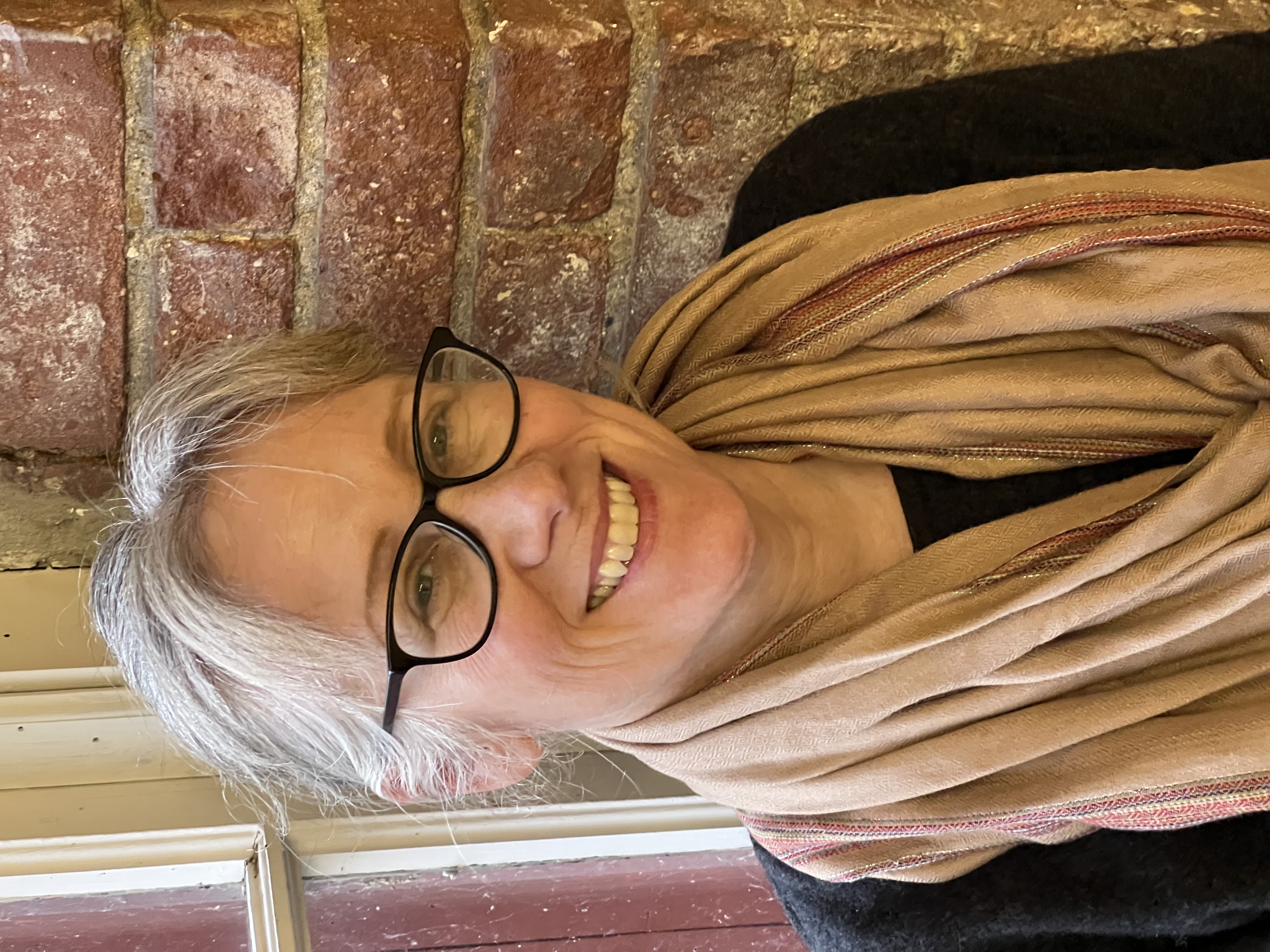
I’m Deborah Lewis and I came to Ithaca in 2001, when Cornell hired me to develop a harm reduction approach to college alcohol use. While my work focused on policy development (including Cornell’s Good Samaritan Policy) and research, providing brief interventions with students who were drinking heavily was the work where I felt most authentic, leading me to retrain as a social worker. I have been practicing since 2013, first at Family & Children’s Service of Ithaca and now in private practice. I feel fortunate to have 25 years of professional experience in this community because my connections to a network of trusted former colleagues means that I have access to both personal and professional support when needed. My speciality is working with that shape-shifter, anxiety, in the many ways it may manifest in the lives of children, teens and adults. Hypervivigilance or avoidance, burying in substance use or other addictions, reluctance to feel all the feelings associated with loss in all its forms- anxiety is the common thread. You can learn more about the way I work at my website www.DeborahKLewis.com.
What is one thing you wish more people knew about mental health?
Sometimes people tell me, “Well, I tried therapy and it wasn’t for me or I didn’t like it.” Research finds that successful outcomes from therapy depend more on the quality of the relationship between the client and therapist than the therapist's specific modality. This means that, just like in shopping for jeans, you may need to try a few therapists to find one that fits. And it may take a few sessions for that sense of “good fit” to emerge. Just because you didn’t like a particular pair of jeans doesn’t mean that you need to go without pants!What are some of the biggest challenges you see people facing today, and how do you help them navigate them?
I think people may mistake the virtual for real experiences and that compounds feelings of isolation. Instagram therapists have these compelling reels that seem to offer all the answers in just 40 seconds. Humans are so much more complex than that! We are full of ambivalence and contradictions and mixed feelings. Nobody, in the history of ever, has put down their phone after an hour of scrolling and said, “I feel great!” But, every day, I get to watch people leave an hour of therapy a little lighter, after putting into words (or art or play) some of their troubles and pain. For me, there is magic in the physical appointment and the frame of the therapy office or therapeutic play room. I believe two bodies in space are communicating something ineffable and immeasurable that is hard to reproduce in a video session. I don’t mean to say that I am against video sessions -- they have been important in making therapy more accessible to so many people – it just is not a significant part of the work I do.What is one thing you have learned from your clients that has impacted your own life?
I am amazed at how brave my clients are, especially the parents who bring their children and teens to me for therapy. It is such a vulnerable thing to say “I need help with being a good parent,” to say “I don’t think I am doing this well,” to give their kids time with me where their children might share with me the secrets of their home life. Often these parents are doing it because they wished that they had been able to see a therapist as a child; or, their desire to help overrides their fear of being exposed. These folks inspire me to be more vulnerable in my own life, to admit to all that I don’t know, and to allow others to help me.How do you empower clients to take an active role in their own healing process?
With teens and adults, I often introduce strategies from Motivational Interviewing early in the therapy process, including the Values Card Sort activity. In this exercise, clients identify their top values from a broad list and reflect on how their current lives align—or don’t—with those values. This process helps me understand them beyond their presenting concerns, while also allowing them to reconnect with their strengths and what matters most to them. It becomes a foundation for meaningful, self-directed change.
Let's Stay In Touch